Samuele Caioni.
What I work with.
Professional work
- IT support for users
- Administration of users, permissions and folders on servers and local computers
- Installation of hardware, both light and heavy
- Maintenance and commissioning of large-scale networks
- Commissioning and troubleshooting of UniFi and Aruba networks (large complexes of 200+ devices and business infrastructures)
- Experience with Sophos firewalls and VPN
- Swisscom telephony management, with experience as a Swisscom partner for network and telephony
- Installation of fixed-line networks and Swisscom telephony systems
- Swisscom internet installations
- Telephony through 3CX PBX systems
- Virtualisation with Hyper-V and VMware
- Microsoft 365 and Entra ID (currently preparing for the Azure and Microsoft 365 certifications)
- Small backup and disaster-recovery systems
- Building websites and registering new domains
- Commissioning of web services
- Development of projects intended for public presentation
- Building programs and devices to optimise work processes
- Development of scripts and programs to solve problems reported by end customers
- Development of custom button panels for public notice boards
Independent work
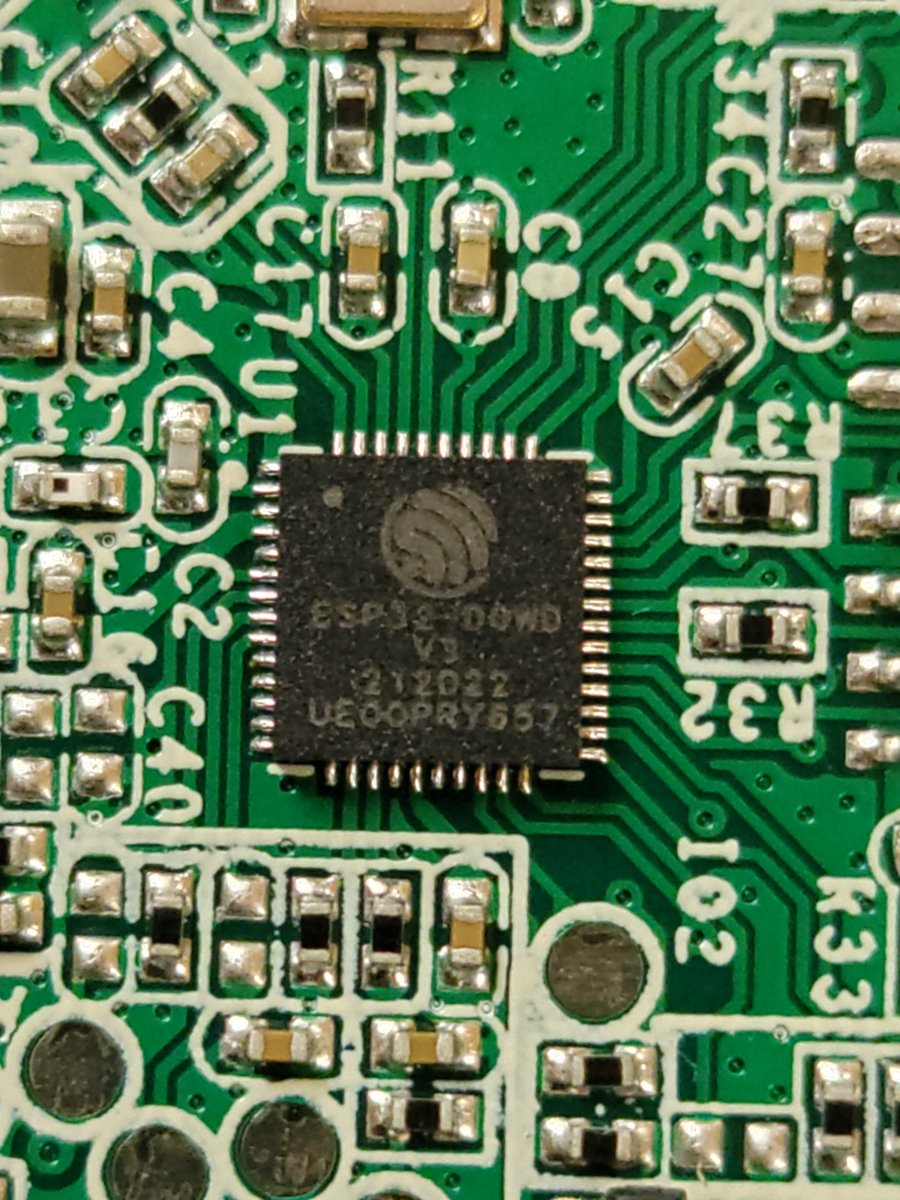
- Embedded development with ESP32 / ESP-IDF
- C/C++ programming to control hardware components (lighting, motors, screens)
- Embedded firmware development with manual management of RAM and CPU resources, to guarantee correct operation over time
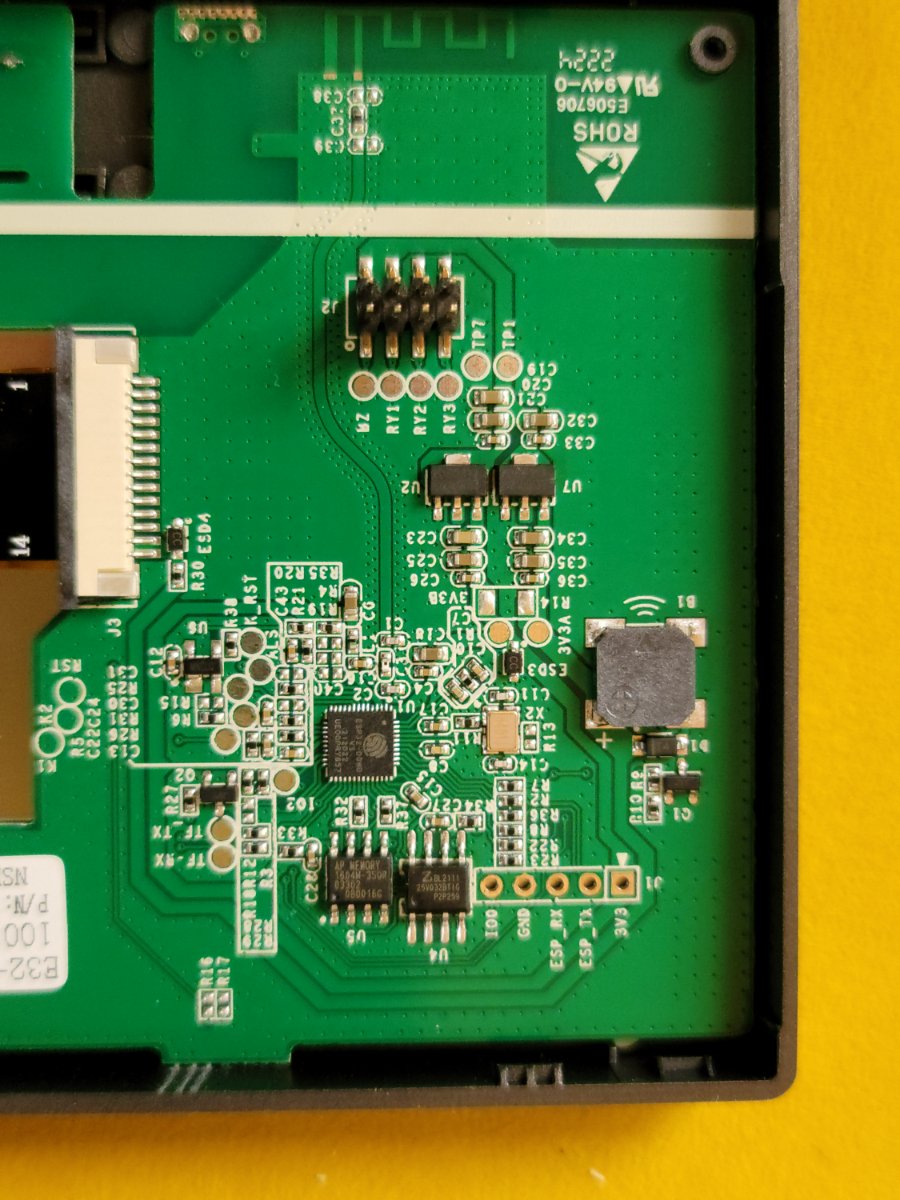
- Reverse engineering of hardware devices (Sonoff NSPanel, LivingAI EMO Pet)
- Use of logic analyser and oscilloscope
- Basic knowledge of how electrical current works and of low-level hardware troubleshooting
- Precision soldering on small components
- Commissioning of web services with Python Flask
- Development of a system to manage multiple microcontrollers through a web interface (project available at fabrix.s4mu.ch)
- Study of how LLMs (Large Language Models) and the MCP (Model Context Protocol) work, including integrations with devices, video and audio
Currently learning
- Cybersecurity in web and embedded contexts
- Machine learning fundamentals
- Integration of AI models into advanced home-automation systems
- Mathematics and algorithms
My goals
- Keep broadening my knowledge
- Develop new solutions
This is just the start.
I was generally interested in technical things, but I didn't really understand what I wanted.
In 2021 I started searching, unsuccessfully, for a job in IT. I ended up starting as an electrician — not even close to what I wanted, so I left.
In 2022/2023 I enrolled in an online school, because I was out of options and couldn't afford to lose any more time.
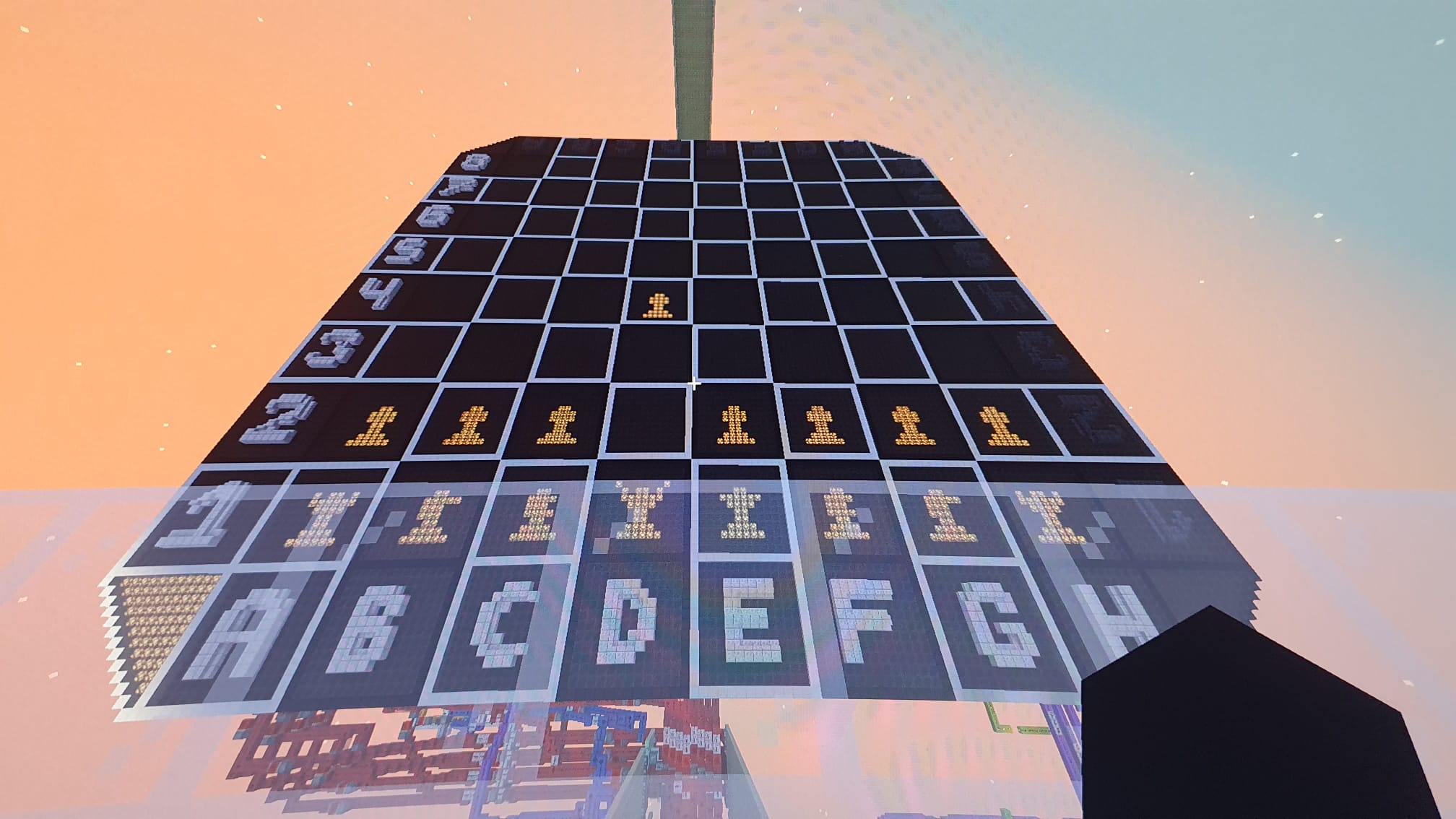
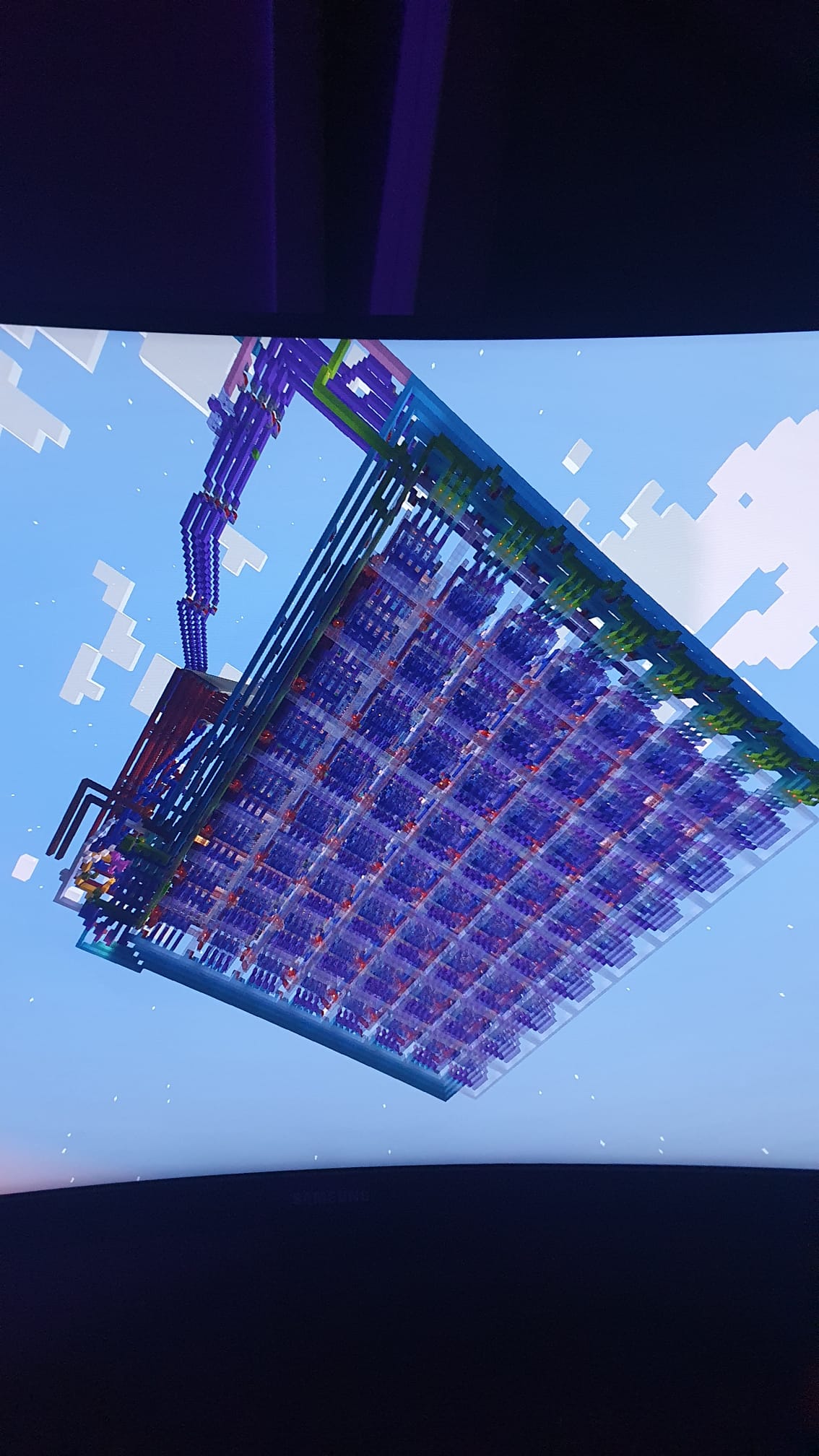
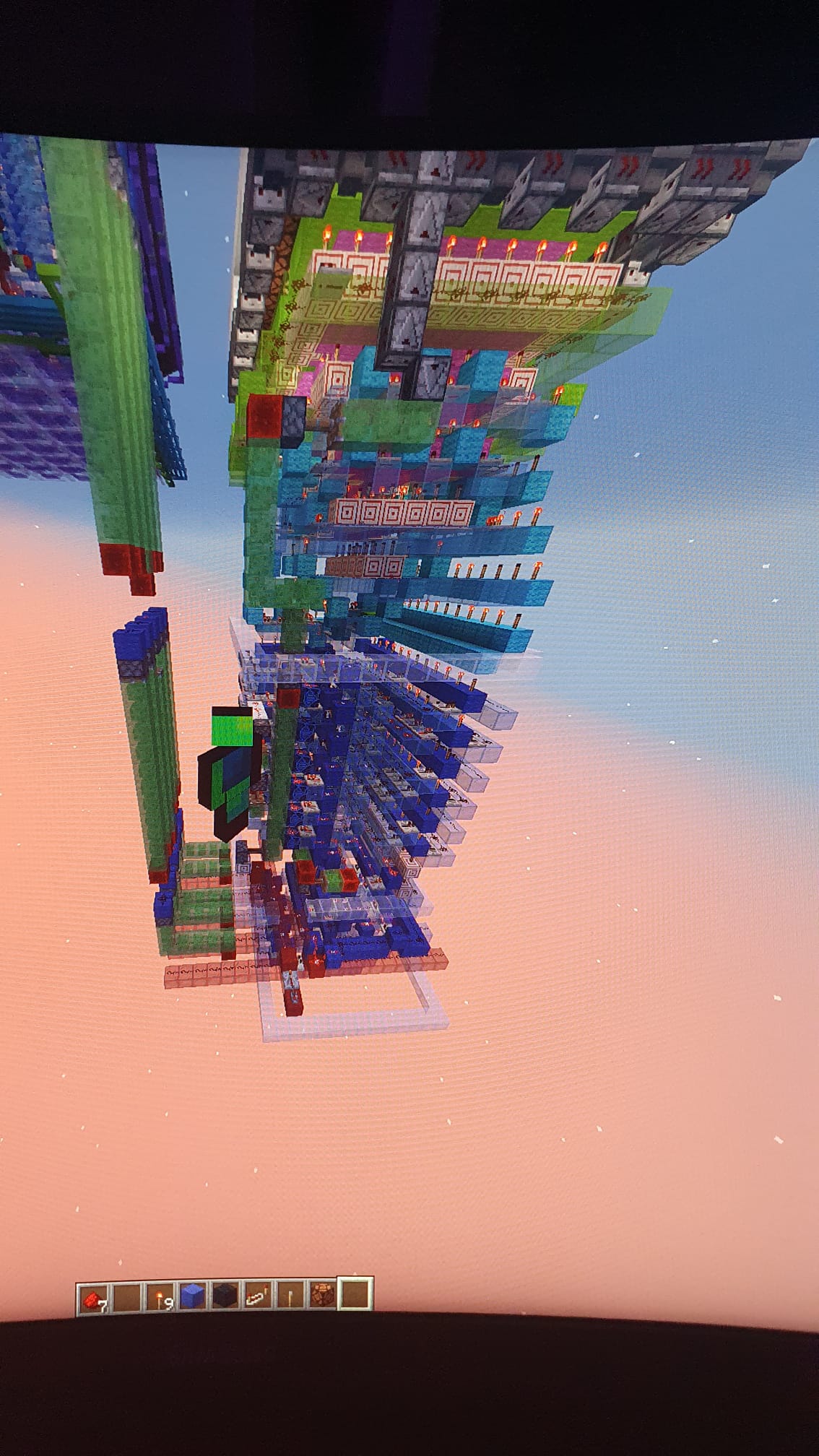
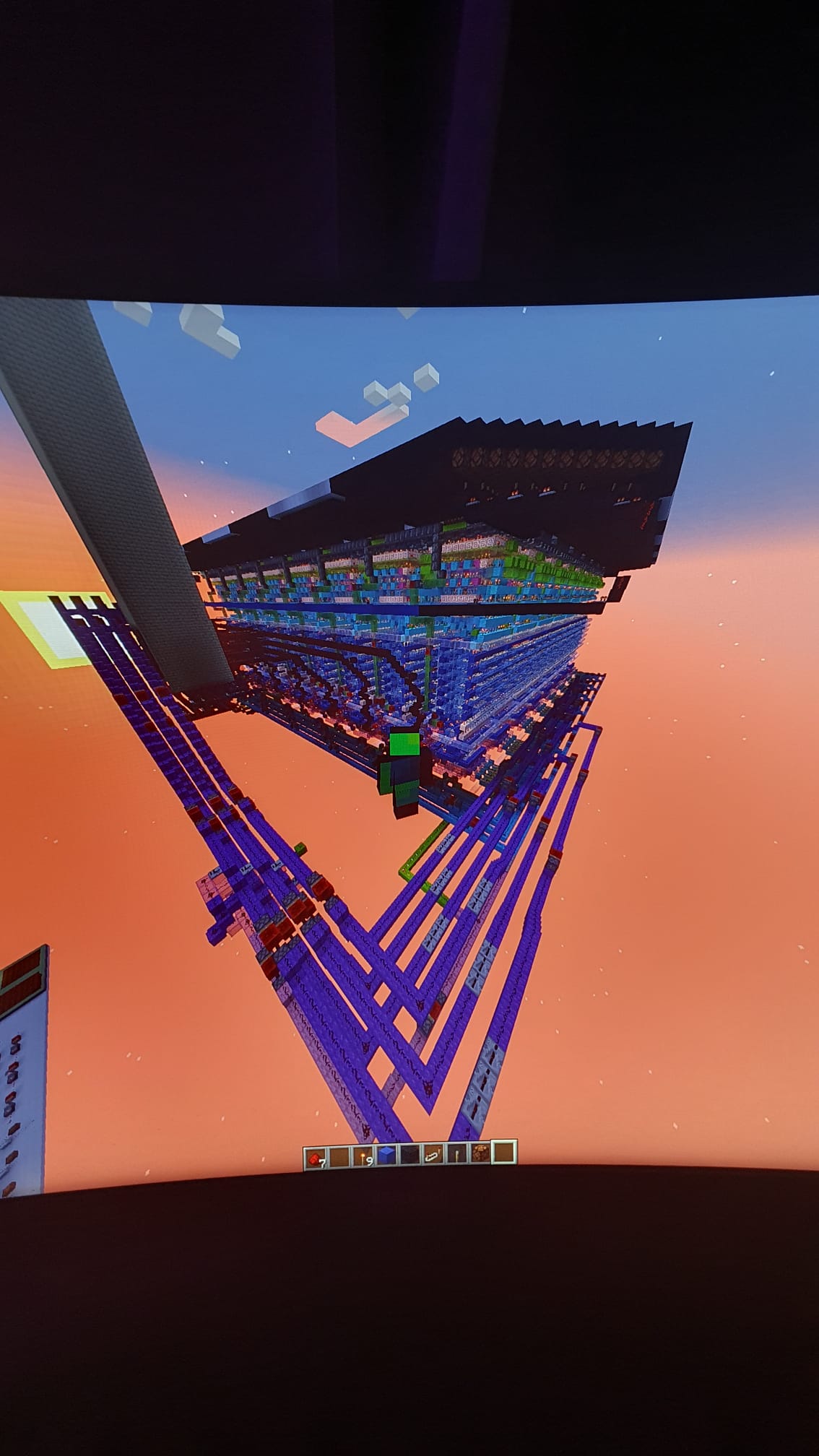
The first real project that made me sweat: a redstone chessboard, built with no tutorial and only basic knowledge. Even if it's just a game, it made me realise that I can actually build and learn fast, so it helped me a lot.
The bus at the bottom sends the data to all cells. A select line allows the RAM in the cell to be overwritten, and on every change in the RAM the cell selects a different entry from its ROM, decodes it into display segments — and you get a chess piece.
It was rather disappointing at the end, because it felt like I could have made it way, way better.
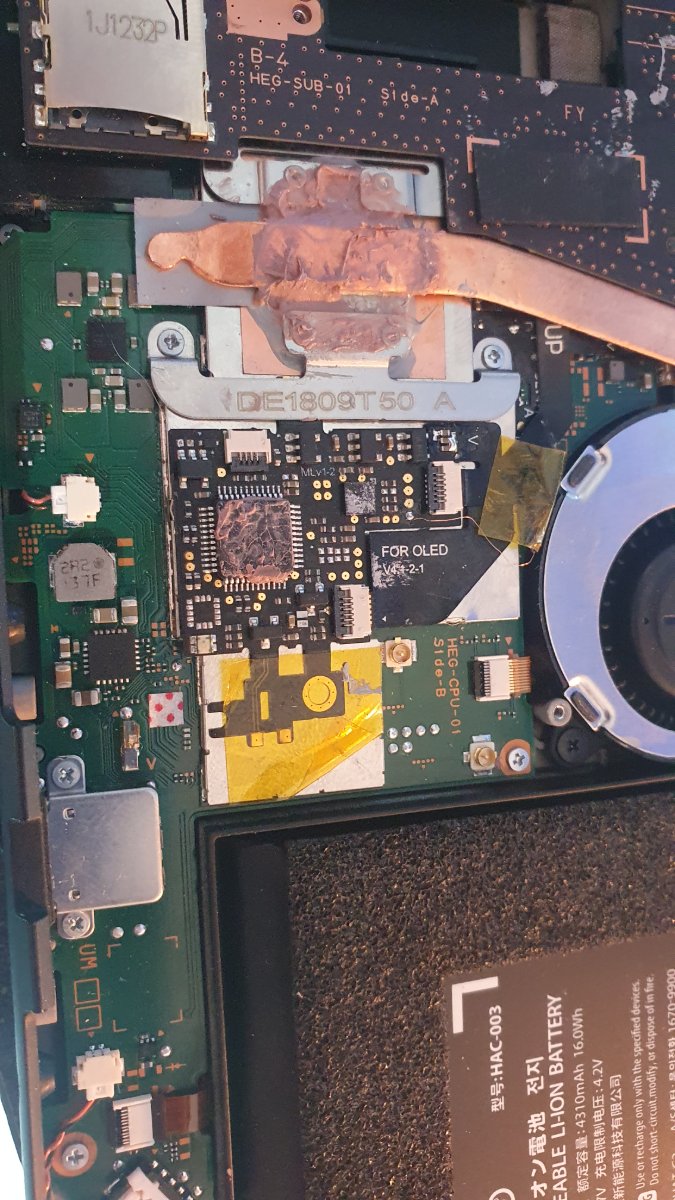
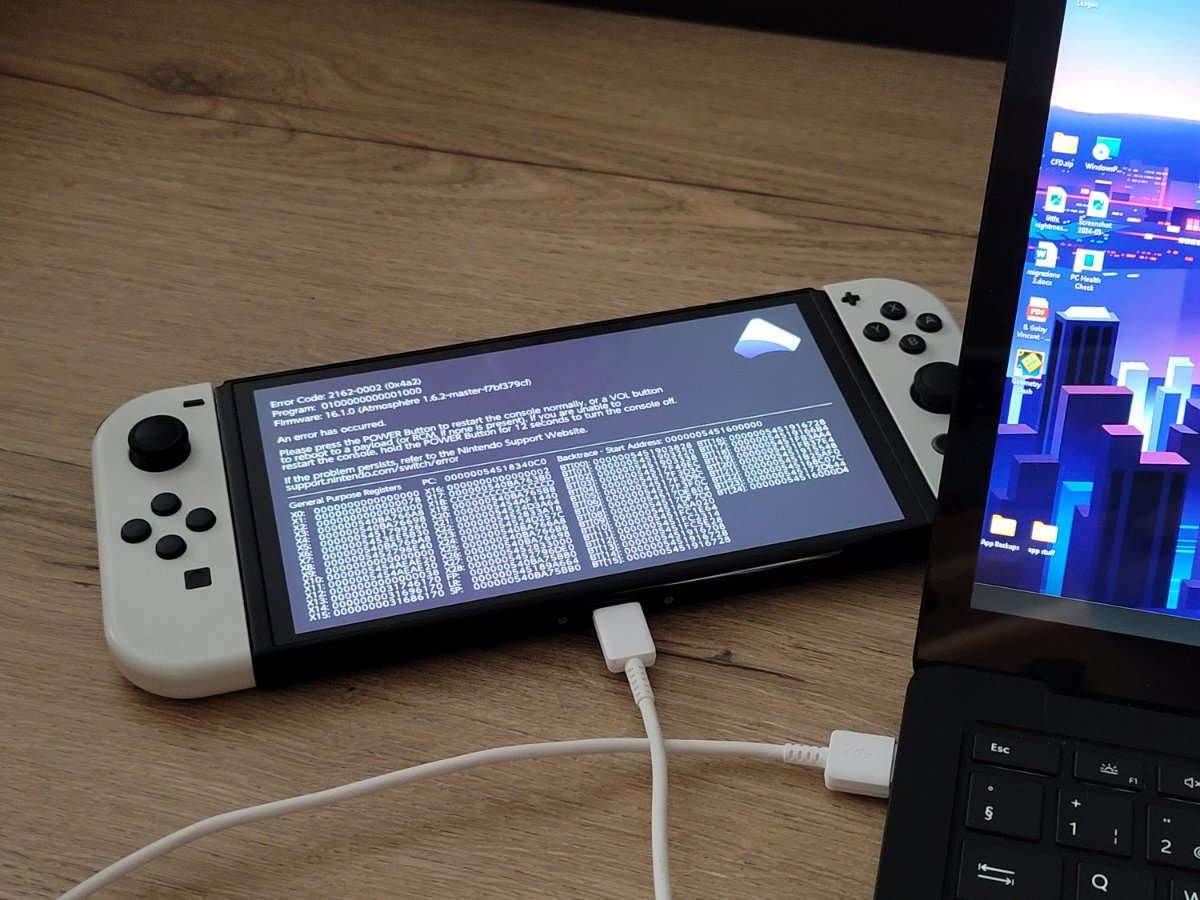
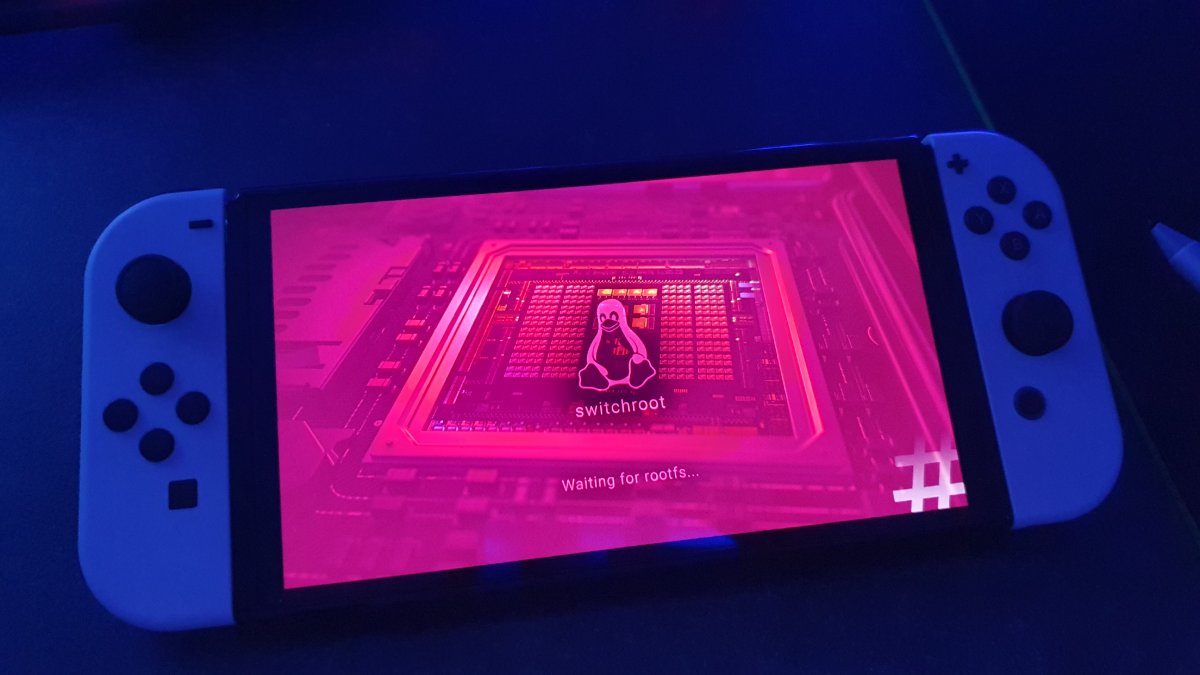
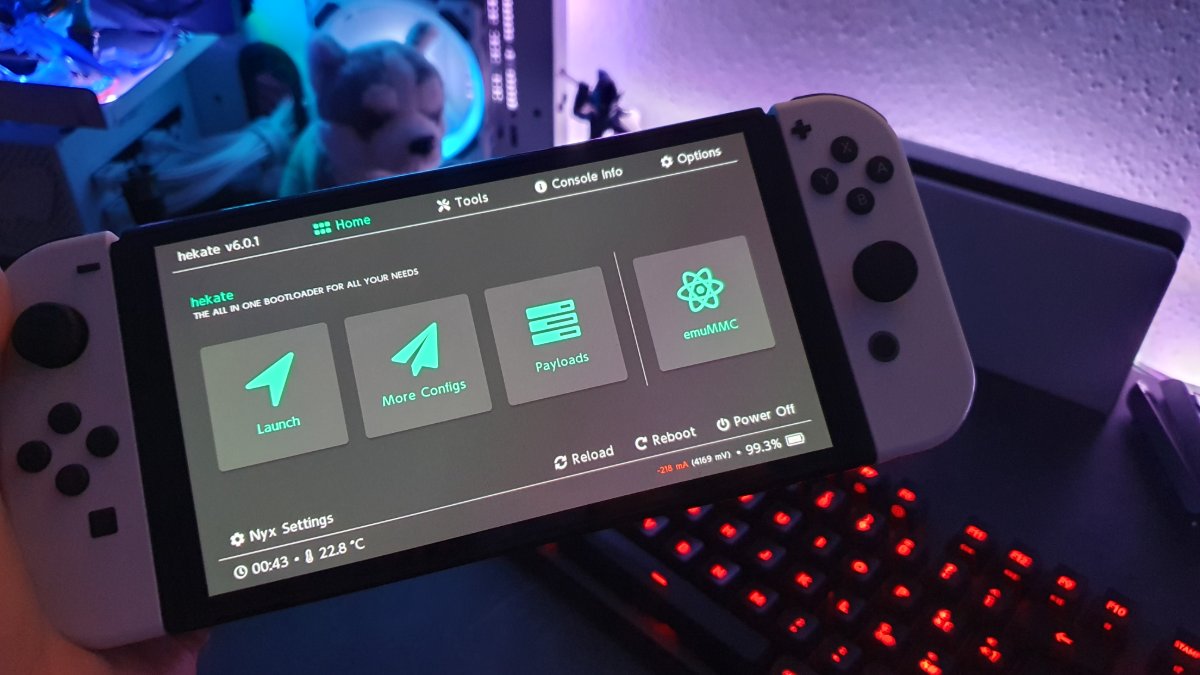
I decided to buy a Nintendo Switch OLED. I loved the hardware, but the software was too locked down — so after three weeks I was able to mod it and, with an enormous amount of tries, mod the original firmware and run Android, and after some time even Linux.
I had a lot of fun with it and learned a lot.
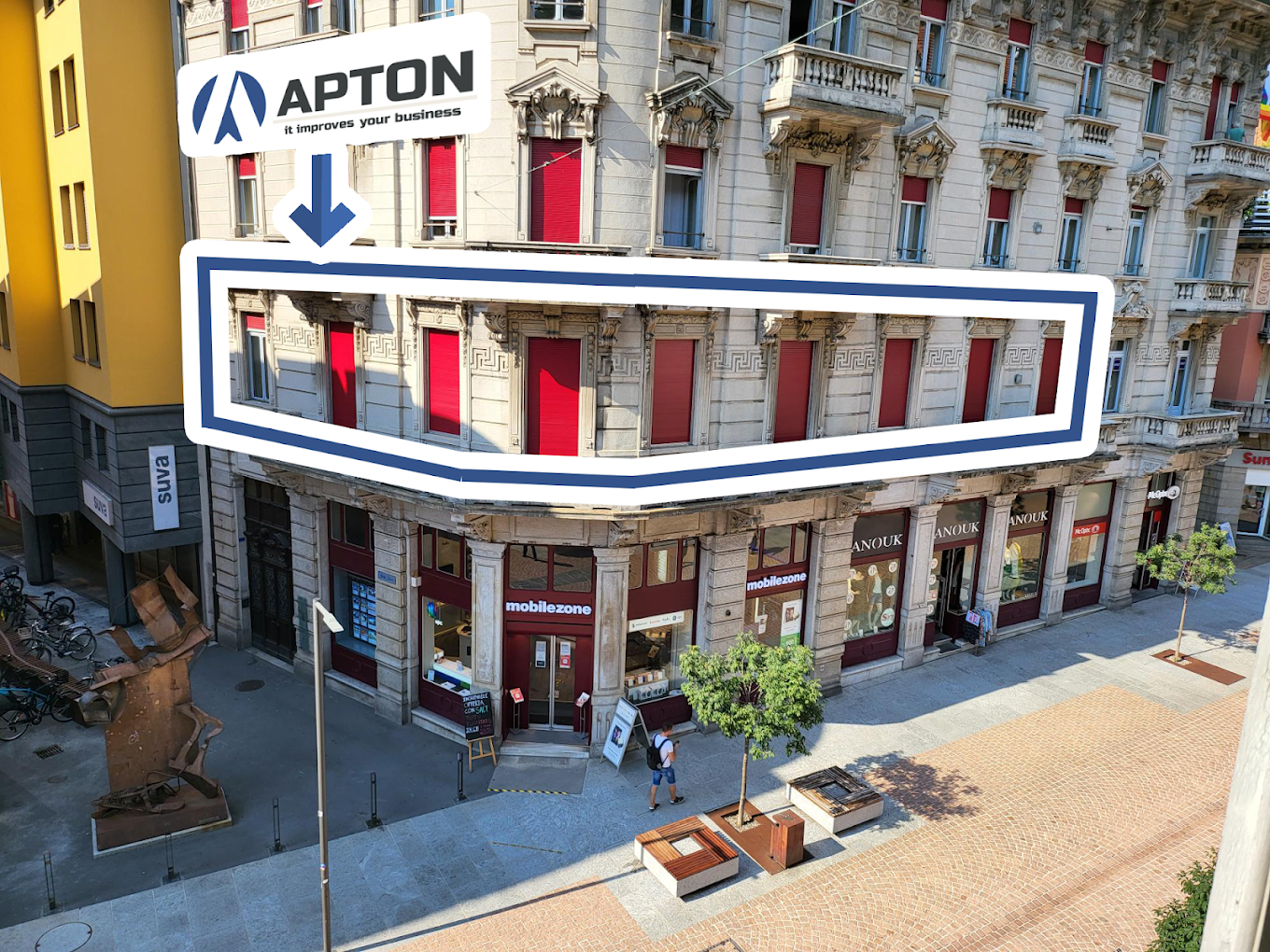
In October 2023 I started working in IT at APTON SAGL. The team, though small, is amazing — and it will stay that way. I've been really lucky to find them.
In Q1 2024 I started getting more interested in automation and started small projects.
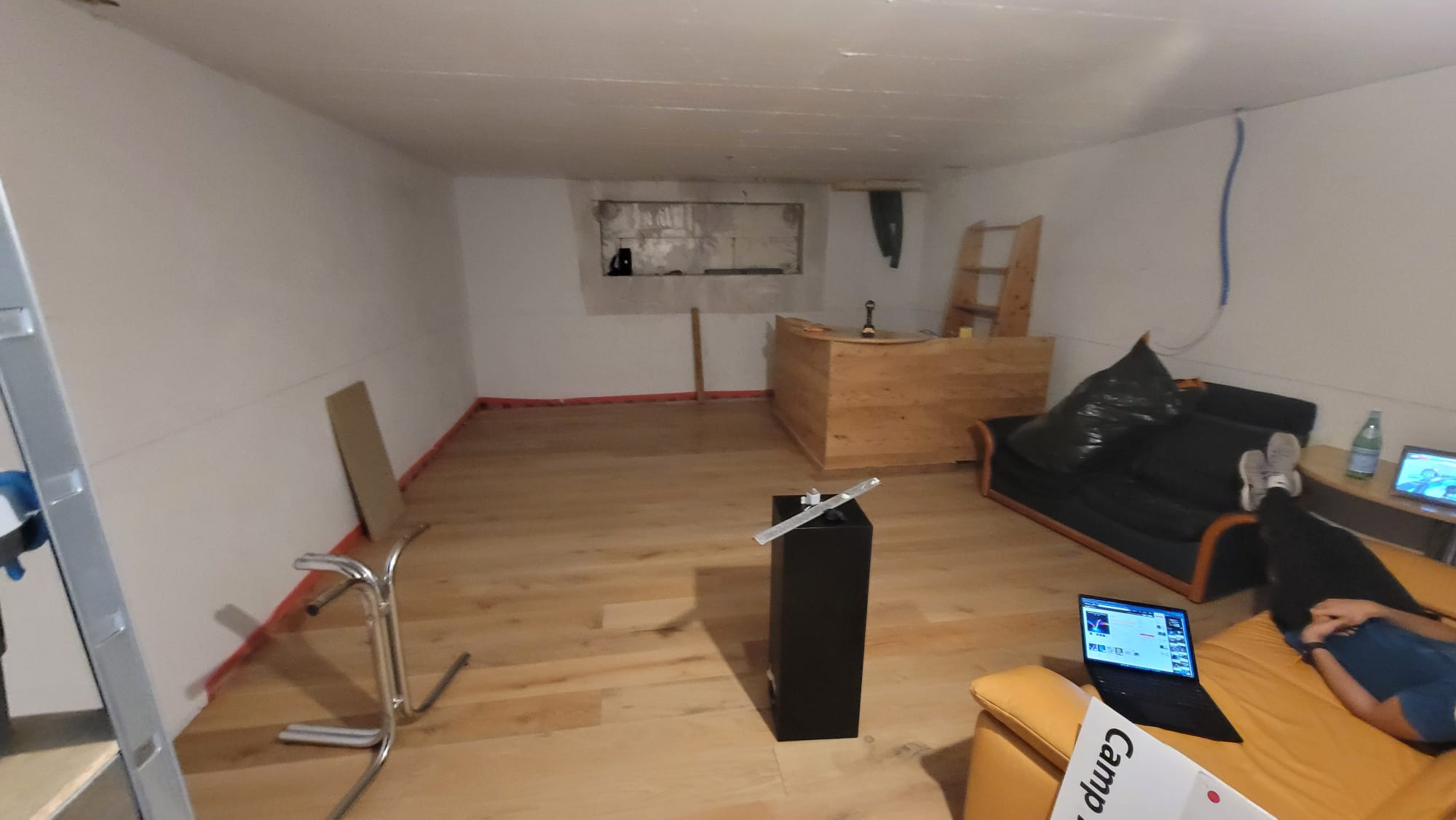
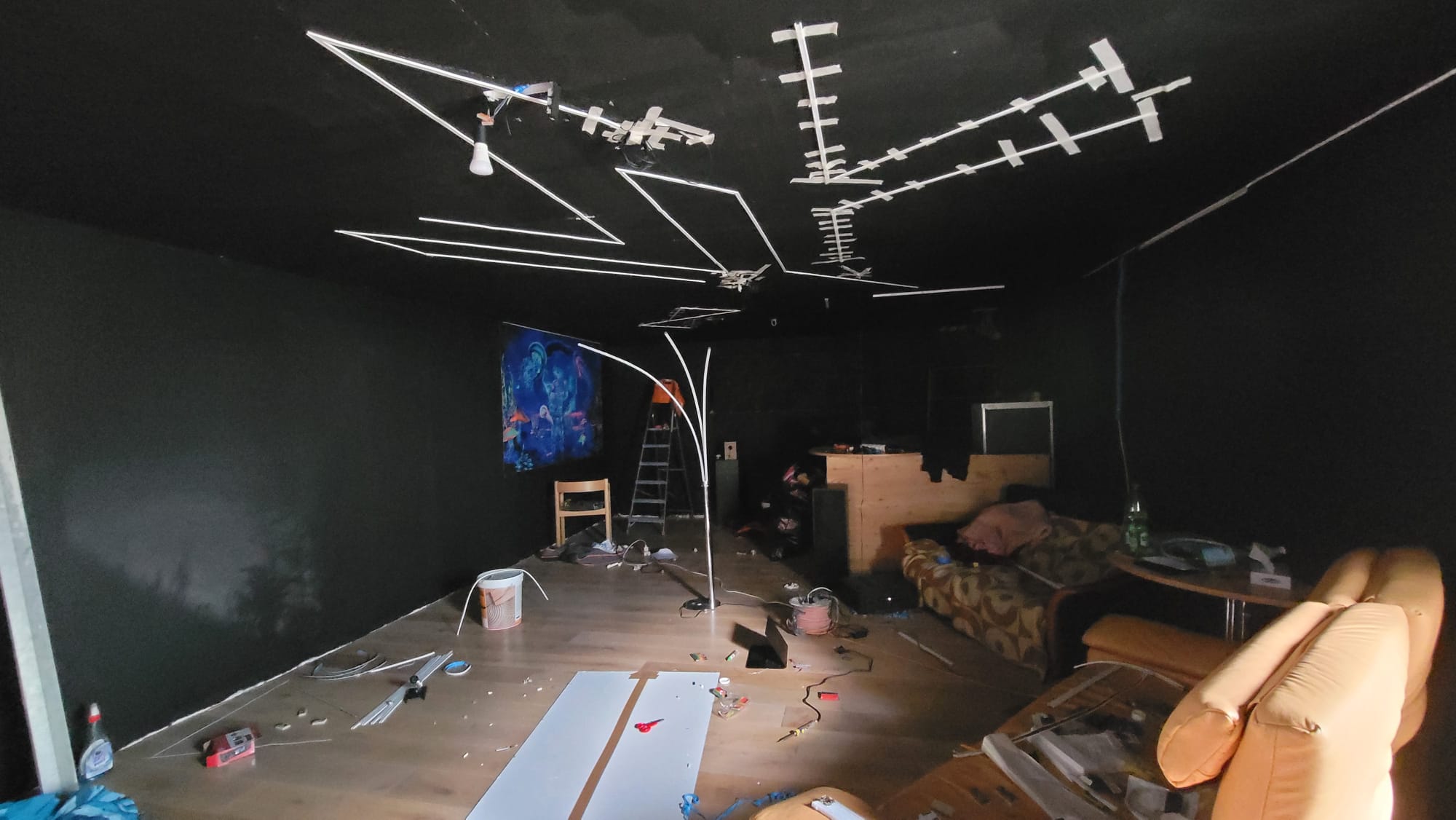
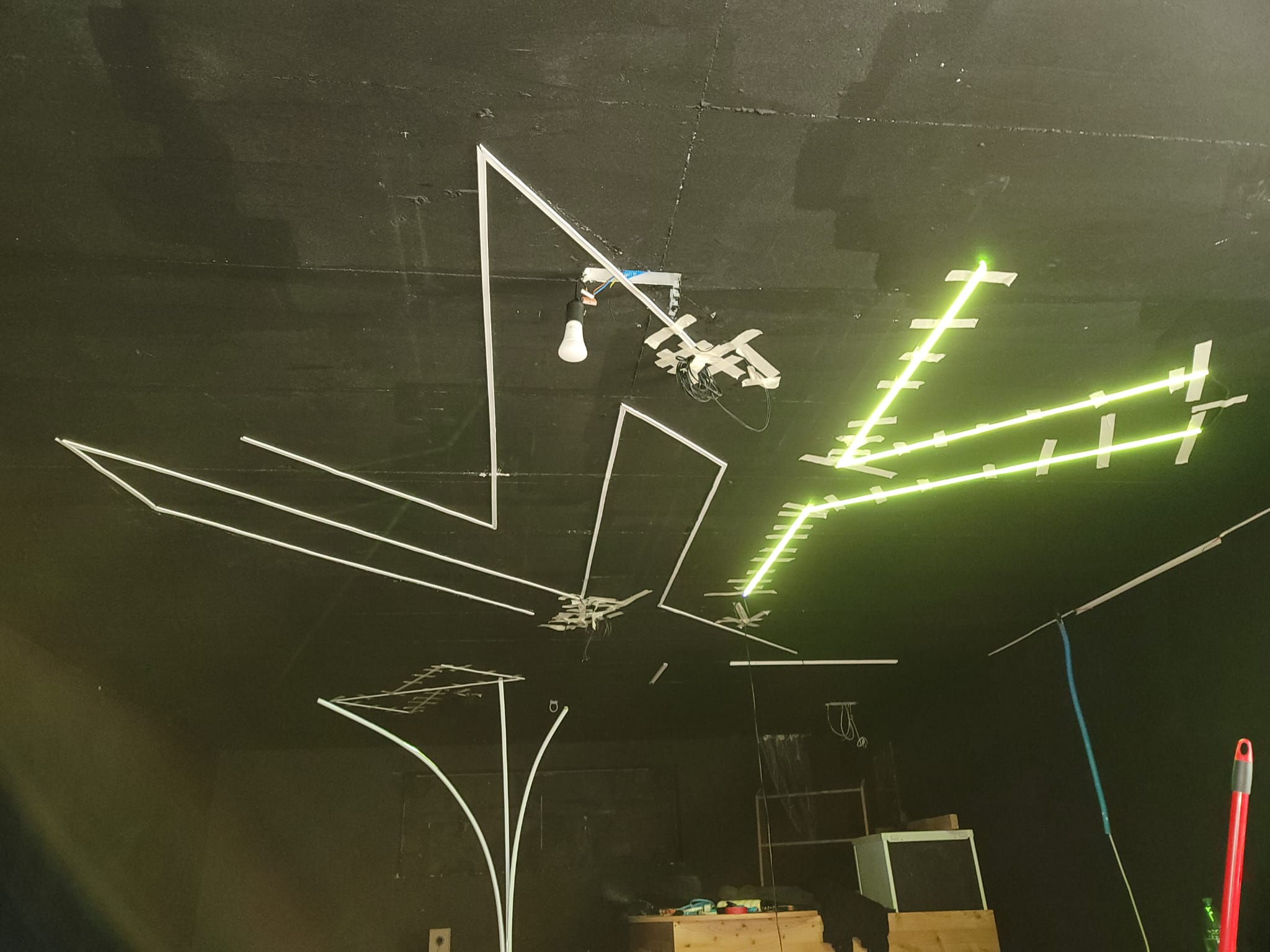
In June 2024 the first really big project started: building a party room in my cellar. Here I had my first experiences with low-level programming and the Arduino IDE. Bringing this project to the "end" made me realise two things:
- Flashing manually was never going to be an option for updating large networks of devices.
- Launching myself into the world of Linux, embedded programming, Art-Net based lights, new protocols, electricity and networking debugging all at the same time was a mistake.
But in the end I made it work, and I realised I can destroy obstacles — elegantly or not, but I can.
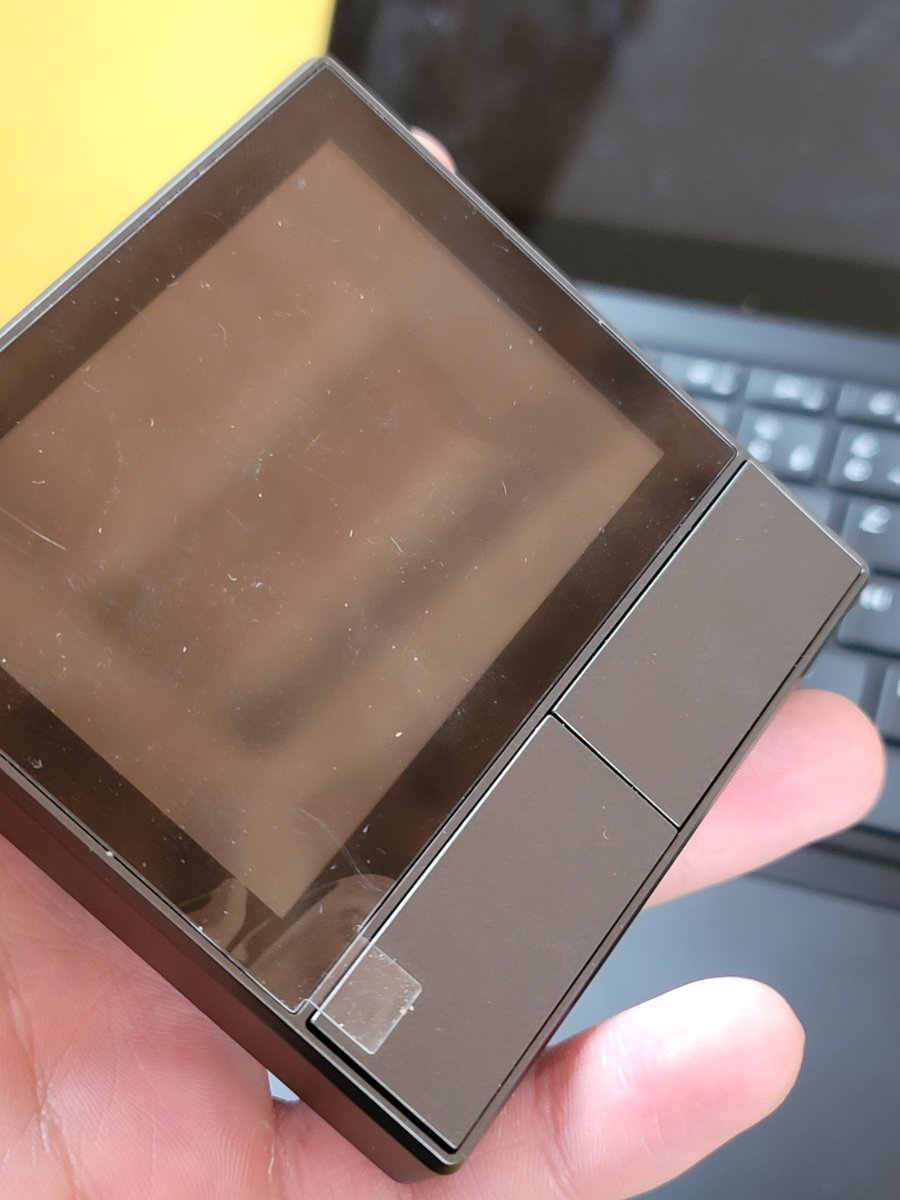
In Q3 2024 I started trying to develop a new firmware for the NSPanels I had at home — I hated how they were working. But after a while I realised that I needed a system to actually manage all of those devices, and then the idea of Fabrix came.
I stopped developing everything else.
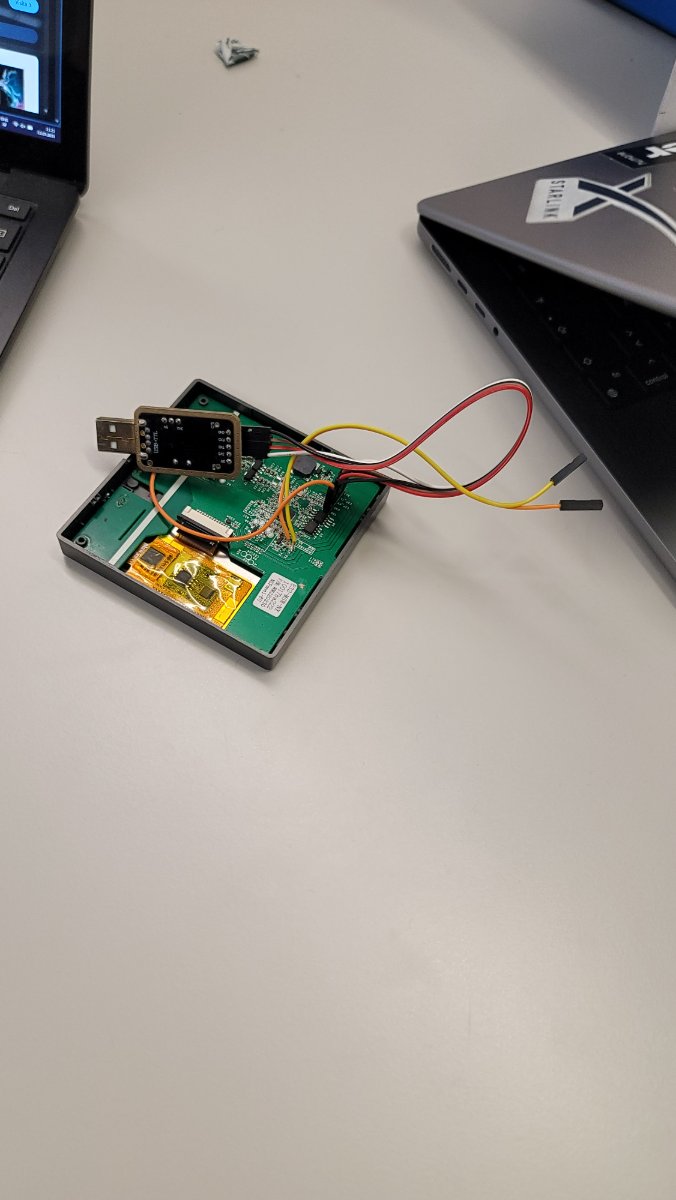
In Q1 2025 I started some prototypes to validate the idea of the system. None worked. I stopped for a couple of weeks and looked around me, then I built two more (fully vibe-coded) prototypes — completely inefficient and unreliable, but enough to validate the idea.
In Q2 2025, after having brought one of the prototypes to the end and validated the idea, I deleted it and restarted from zero — I cared about every function and built everything slowly and deliberately, thinking about future features and scalability.
In Q3 2025 the system reached its first real goal. It still needed a lot of changes and fixes, but I was able to load a compiled "hello world" project remotely onto an ESP32-S3, starting from absolutely nothing.
In Q4 2025 I bought an ESP32-P4 with a screen and started trying to develop a UI that was really heavy for the MCU. I kept running into RAM limits and overlapping-task issues, so I took a break from it and kept learning.
In January 2026 I was gifted an EMO pet. I took it apart after five days and started reverse-engineering it, and built a community around it of people who wanted to modify theirs.
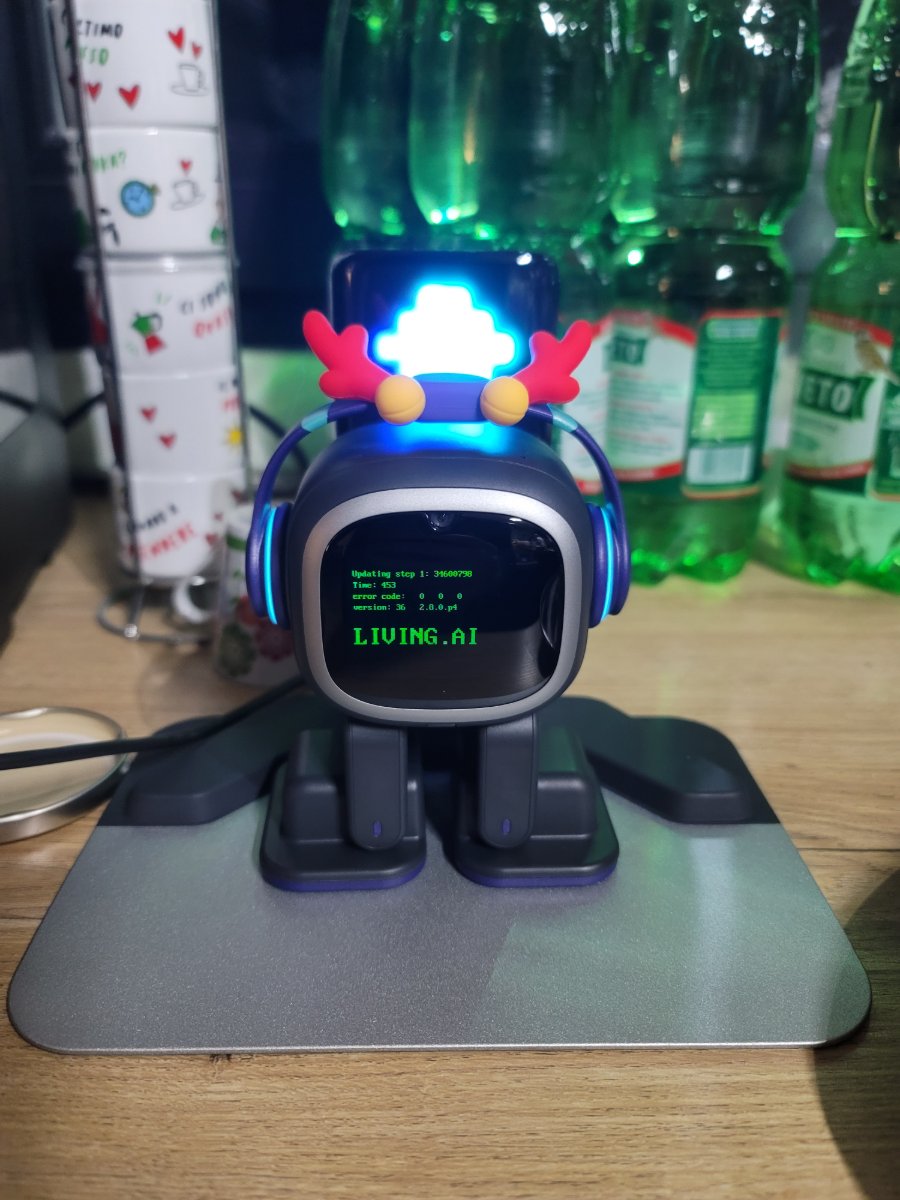
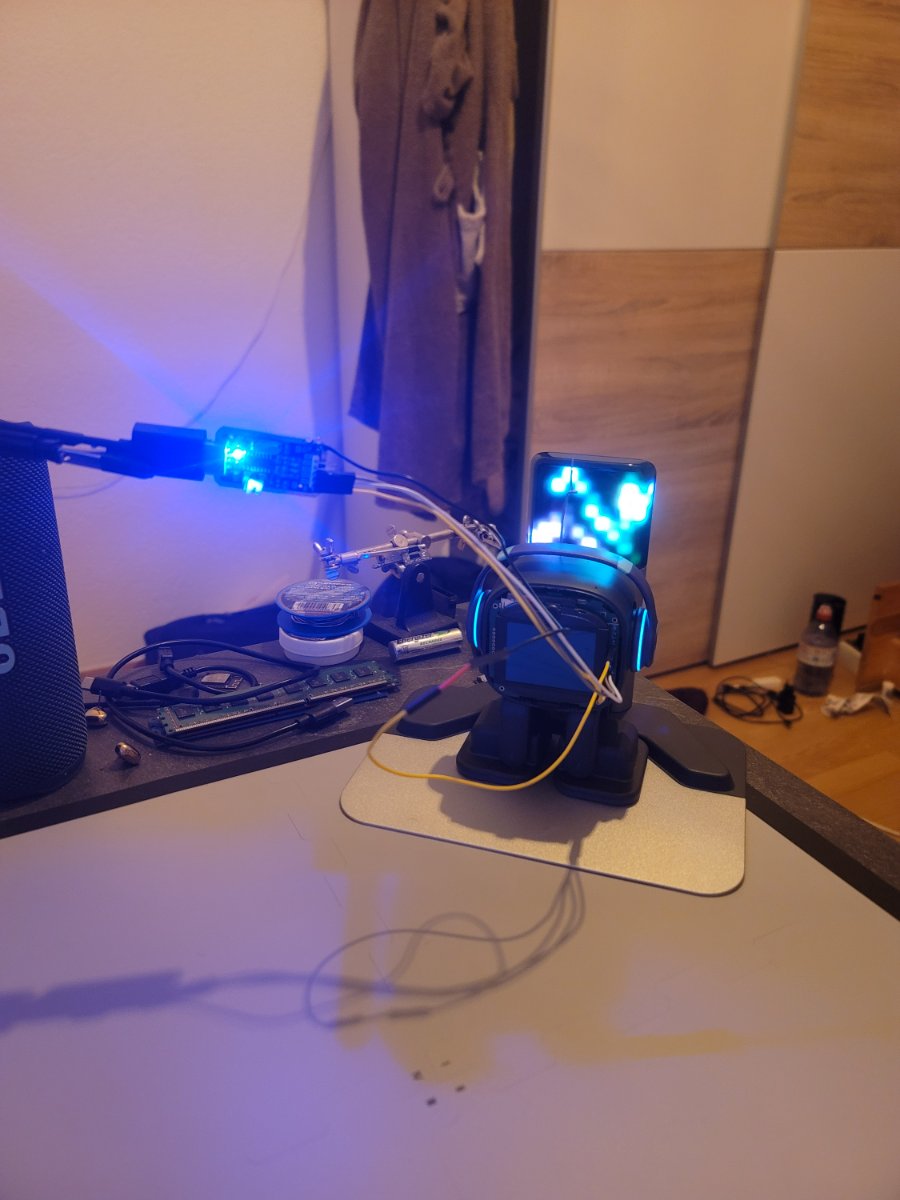
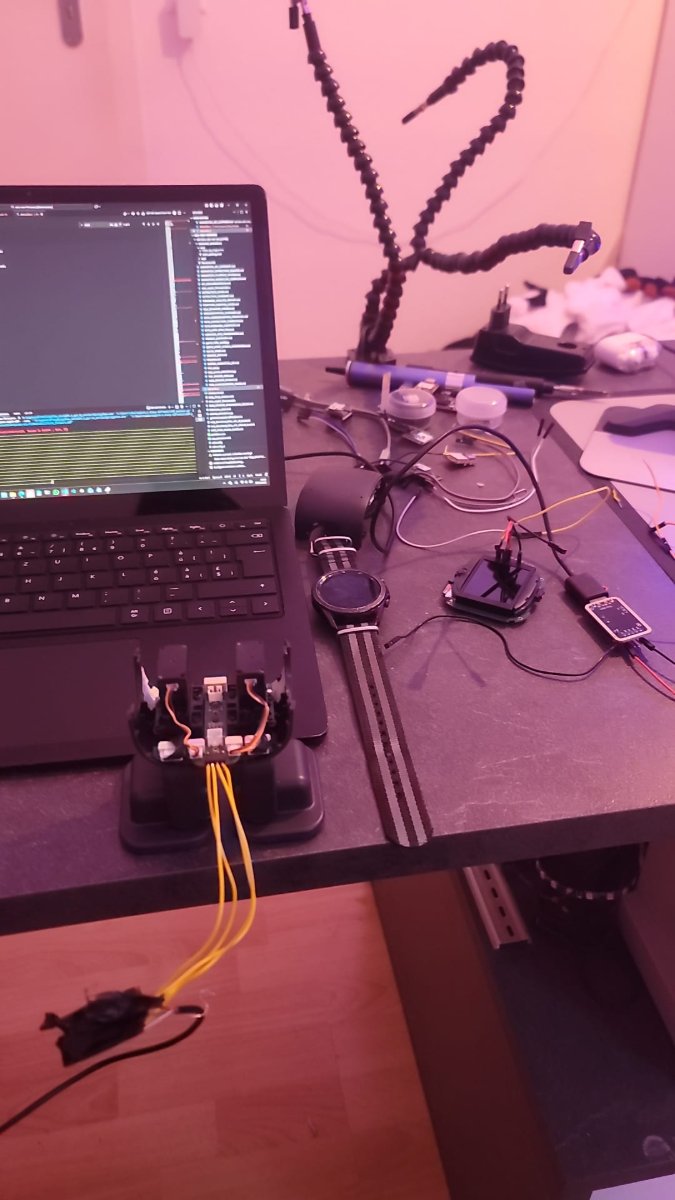
In May 2026, after trying to spoof the data without compromising the robot, I soldered hair-thin cables on the robot motherboard to a logic analyser, dumped and analysed the data passed between the two MCUs — an ESP32 and a K210 — to then take control of the K210 via an ESP32 firmware rewrite.
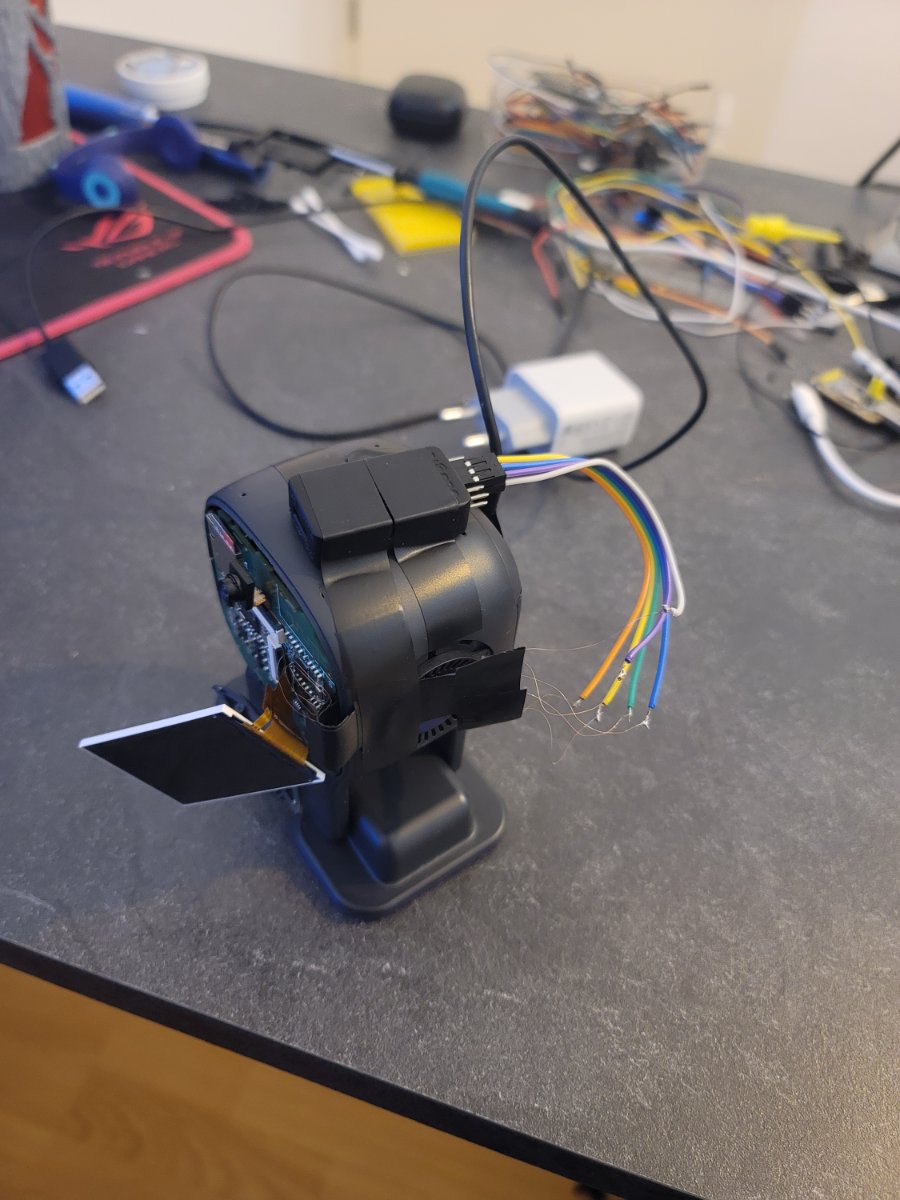
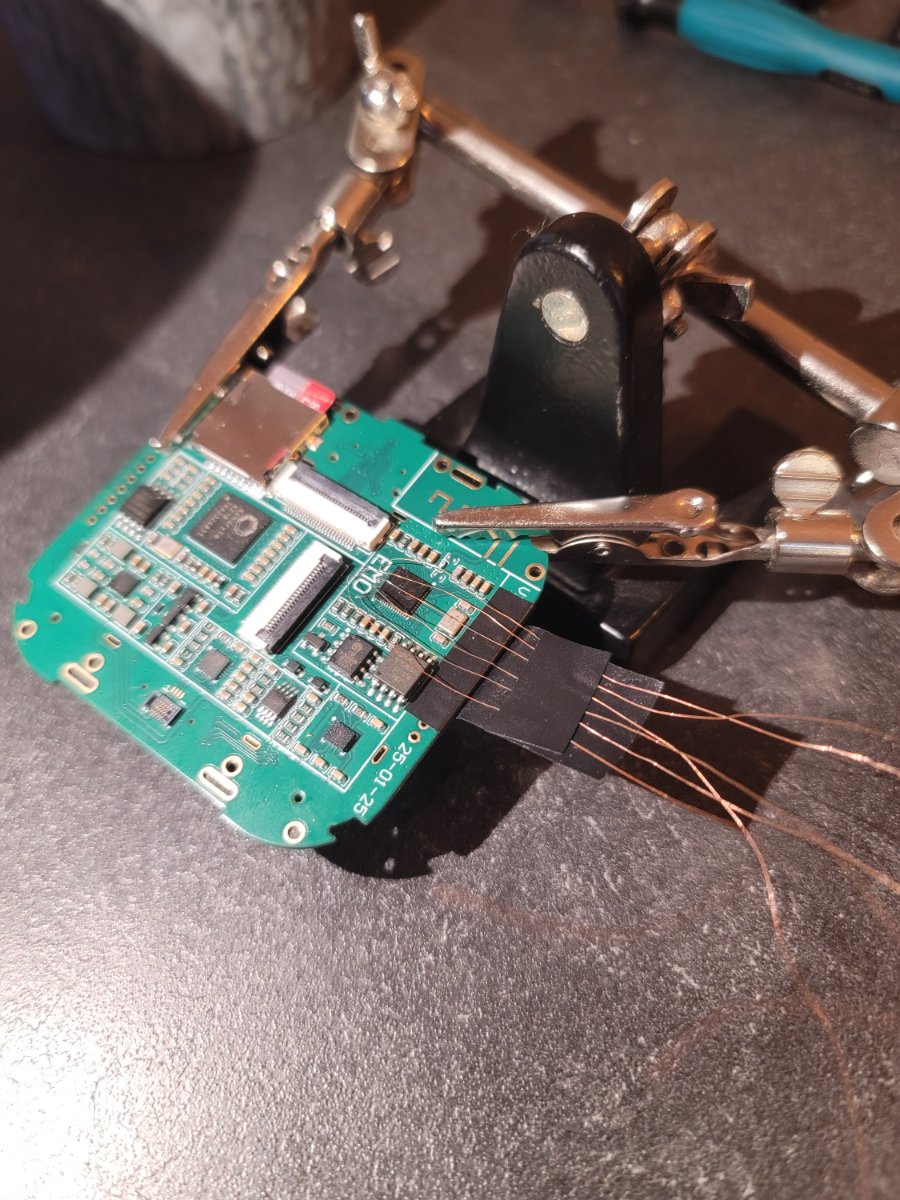
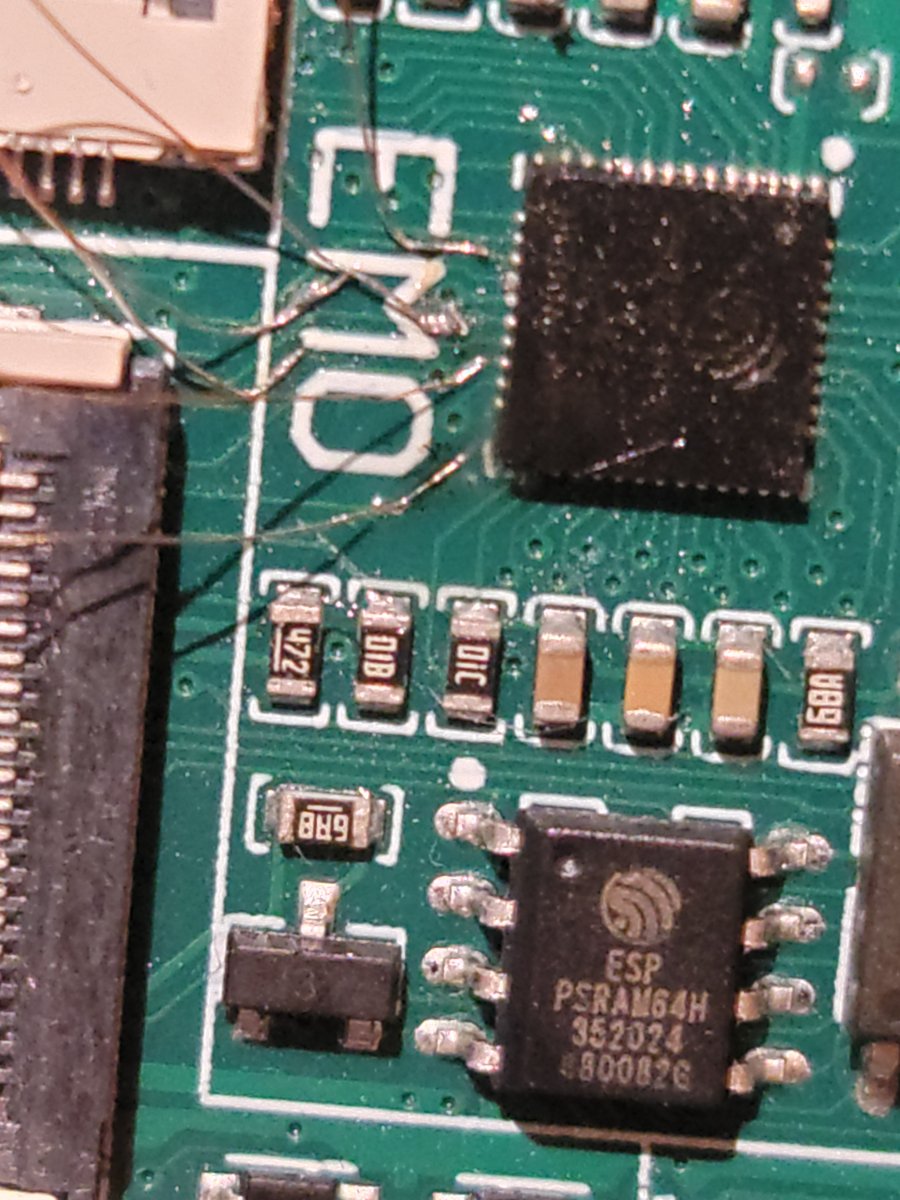
In June 2026 the first real app started working. The apps can receive data from the local network, process it, and drive GPIO — it was a real accomplishment.
I managed to take control of the majority of the pet hardware — screen, leg servos, speaker and mics. It dances and speaks now; I also connected it to a local LLM so that it can actually answer questions.
But first I need at least some base knowledge, so I guess — back to learning?
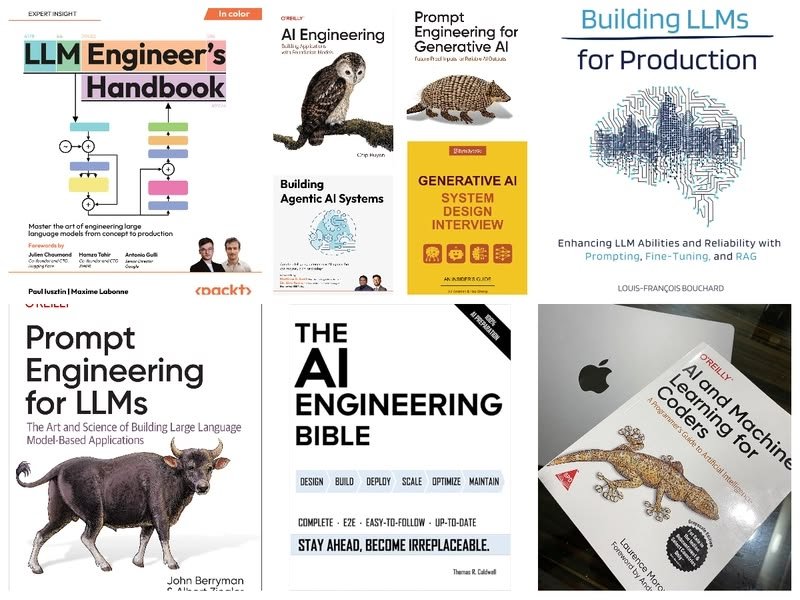
At the end of June 2026 I built this website and hosted it using the previous experience from school projects, using Python Flask.
So what are my plans?
Keep developing Fabrix, and start building custom ready-to-deploy boards.